
Plant-Based Protein: How to Meet Your Needs Without Meat
A practical guide to plant-based protein: how much you need, the best sources, complete proteins, and how to build enough protein into everyday meals.
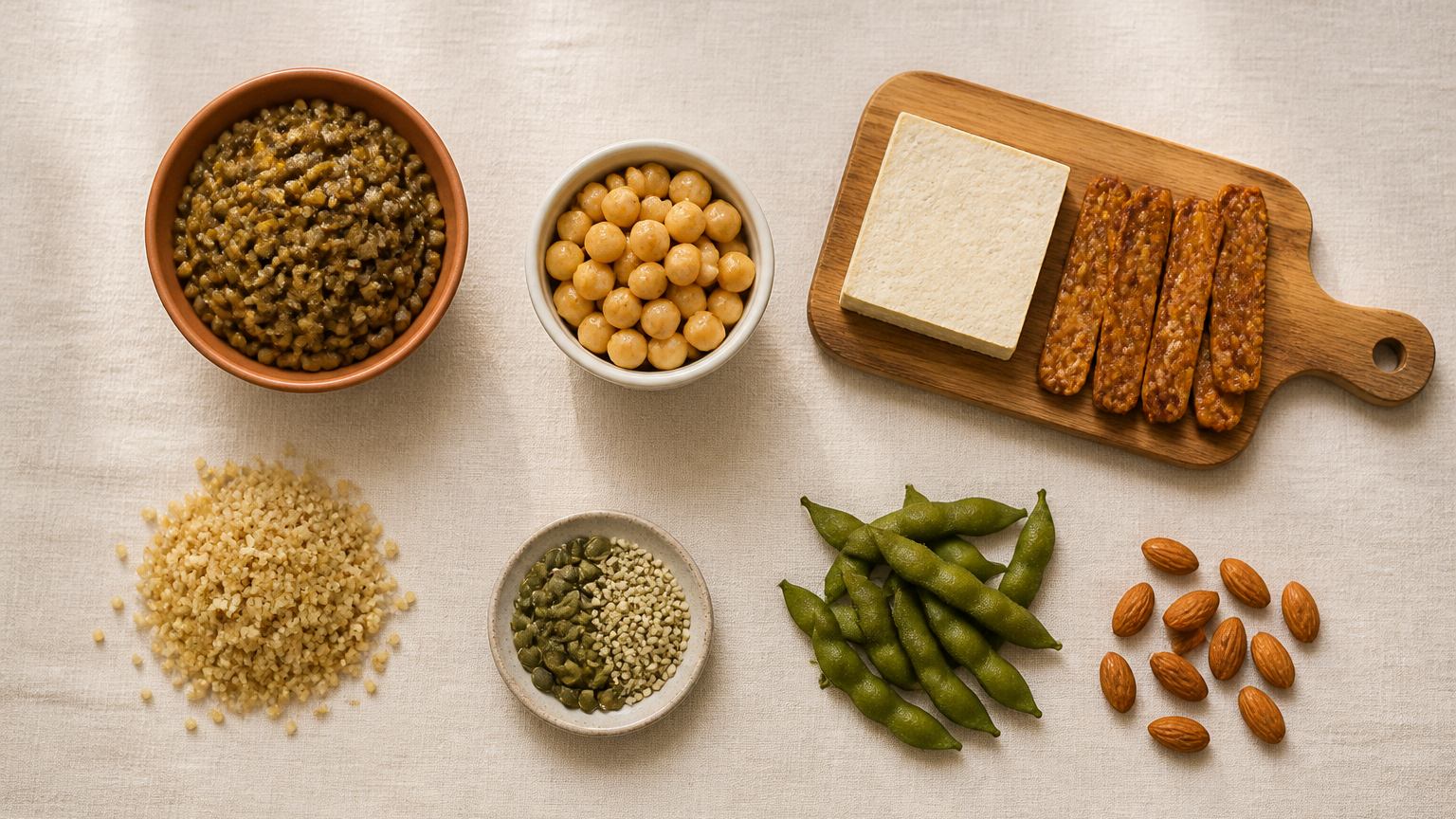
Pull up the protein count on a plant-based meal and the number often looks low compared to a chicken breast. A 100g grilled chicken breast has around 31g of protein. A cup of cooked lentils has about 18g. The gap feels large until you see what a full day of plant-based eating actually adds up to.
Getting enough plant-based protein is achievable without extreme effort, but it does help to know which foods pull the most weight and how the math works out across a day.
How much protein do you actually need
The National Academy of Medicine recommends a minimum of 0.8 grams of protein per kilogram of body weight per day for adults. For a 70 kg person, that's 56 grams of protein per day. For a 90 kg person, around 72 grams. These are minimums rather than optimal targets; active adults and older adults are often advised to aim higher, though the evidence for specific amounts beyond the RDA is less clear-cut.
What Harvard's Nutrition Source emphasizes is that the source of protein matters as much as the quantity: foods come with a full package of other nutrients, and that package differs considerably between animal and plant sources.
The plant protein sources worth knowing
Plant foods vary widely in how much protein they contain per serving. These amounts are approximate and will shift with cooking method and portion:
Legumes tend to sit at the top of any plant protein list. USDA FoodData Central data shows roughly 18g protein in a cup of cooked lentils alongside about 15g of fiber. Cooked chickpeas come in around 15g per cup, black beans similarly, and edamame around 17g. Legumes are also among the cheapest protein sources per gram available, which makes them worth cooking regularly regardless of diet type.
Soy-based products are among the densest plant protein sources. Firm tofu contains around 10 grams per 100 grams; tempeh (fermented soybeans) about 19 grams per 100 grams and slightly more bioavailable due to the fermentation. Both take on flavor well when marinated and cooked at high heat.
Whole grains add protein when eaten in meaningful amounts. Quinoa stands out: unlike most plant foods, it contains all nine essential amino acids in one source. Harvard Nutrition Source lists quinoa, wild rice, and buckwheat among the grain-based complete proteins. A cup of cooked quinoa provides around 8g of protein; oats around 6g per cooked cup.
Nuts and seeds add protein alongside fat. Hemp seeds are notably dense: about 10g per 3 tablespoons according to USDA data. Pumpkin seeds, almonds, and sunflower seeds sit in the 5–6g per 28g (one ounce) range.
The complete protein question
For decades, nutritionists recommended combining complementary proteins at every meal (beans with rice, for example). Current guidance, reflected on Harvard's Nutrition Source, is that eating a variety of plant sources across the day is enough: the amino acid profile rounds out without needing to calculate specific combinations at each sitting. Variety is the key variable, not precise per-meal pairing.
The exception: if the same one or two sources make up nearly all your protein every day, you may not be covering all essential amino acids consistently. Rotating between legumes, whole grains, and seeds through the week resolves this for most people.
What a day of plant protein can look like
Hitting 56g (the approximate RDA for a 70kg adult) across a day of plant foods is more approachable than it tends to look:
- Breakfast: 80g dry oats (5g) with 3 tbsp hemp seeds (10g) and 20g almonds (4g): roughly 19g
- Lunch: 200g cooked chickpeas (about 15g protein) with grains and vegetables: roughly 15g
- Dinner: 150g firm tofu or 100g tempeh (15–19g protein) alongside a grain: roughly 17–20g
- Over the day, bread, vegetables, and small amounts of dairy or eggs add several more grams
The rough total sits at or above 56g before counting the last category. Active adults or those over 65 may aim higher; a registered dietitian can help set an appropriate individual target.
Practical notes for cooking plant proteins
Lentils are the most forgiving to cook: no soaking required, they're done in 20-25 minutes, and they absorb aromatics well. Red lentils break down into a thick base for soups and dals; green and black lentils hold their shape for salads and grain bowls.
Tofu textures are not interchangeable. Firm and extra-firm tofu need pressing before cooking (at least 15 minutes) to expel water; this is what allows them to brown rather than steam. Silken tofu is a different product suited to blended preparations like dressings and desserts.
Tempeh has a stronger, earthier flavor than tofu and benefits from marinating or braising before final cooking. It's usually sold already par-cooked, but the fermented-foods guide covers why cooking it through matters.
The chickpea quinoa bowl below brings together two of the strongest plant protein sources in one quick weeknight meal:
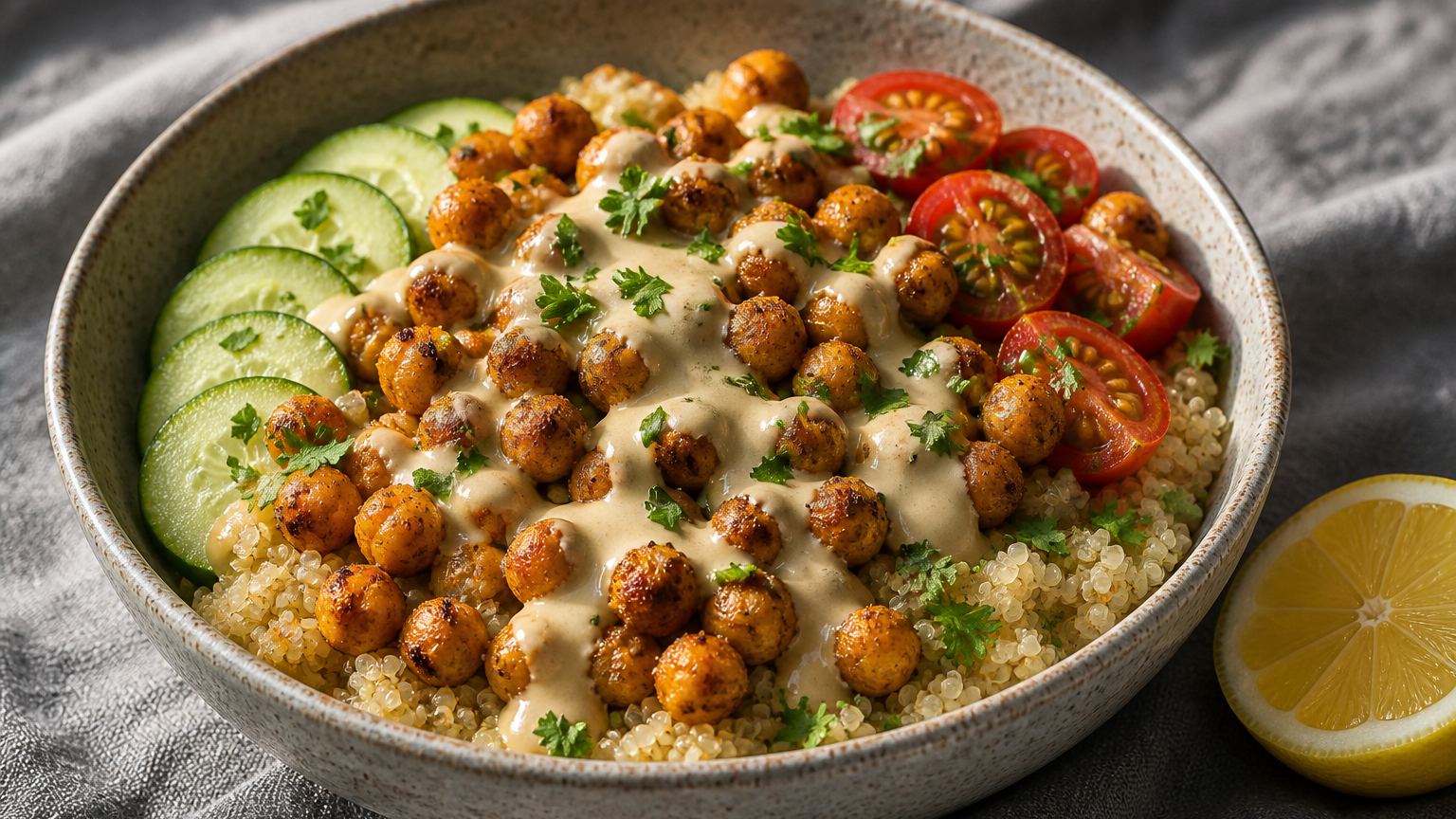
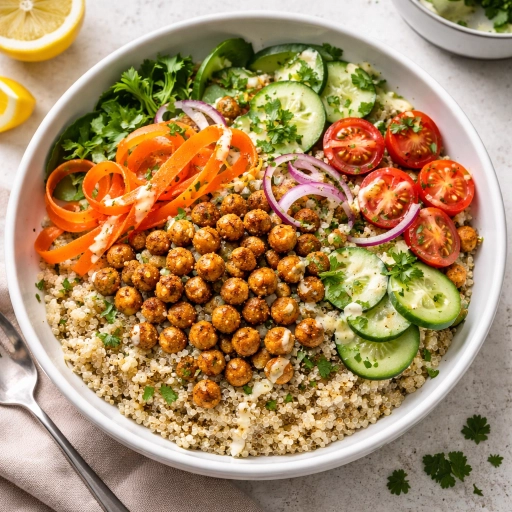
Spiced Chickpea Quinoa Bowl
Warm, nutty quinoa, smoky spiced chickpeas, crisp vegetables, and a silky tahini lemon dressing come together in a bowl that feels both vibrant and satisfying. It is colourful, generous, and full of contrast—creamy, crunchy, fresh, and warmly spiced in every bite.
Gourmate generates plant-based recipes tailored to your dietary preferences. Set your diet type once and every meal plan it builds will work within your constraints without you needing to check each recipe manually.
Looking to plan a week of plant-forward meals? Gourmate does it automatically.