
Ozempic and Protein: the Muscle Loss Question
GLP-1 drugs like Ozempic cut appetite. Eating much less also means less protein and muscle at risk. What the research says about diet on these medications.
GLP-1 receptor agonists are prescription medications used in two clinical contexts: Ozempic (semaglutide) and Mounjaro (tirzepatide) for type 2 diabetes management; Wegovy (semaglutide) and Zepbound (tirzepatide) for chronic weight management. The STEP 1 trial (Wilding et al., New England Journal of Medicine, 2021) compared semaglutide 2.4 mg plus a lifestyle intervention against placebo plus lifestyle intervention in adults with overweight or obesity but without diabetes over 68 weeks. Mean weight loss was approximately 15% in the semaglutide group versus about 2% in the placebo group. These are real results.
What the advertising doesn't mention: dramatic appetite suppression means eating much less of everything, including the nutrients you most need to preserve muscle and overall health during weight loss.
This post covers what the research says about diet quality while on GLP-1 medications. It's not medical advice, and everything here supplements (not replaces) guidance from the prescribing doctor.
How GLP-1 drugs reduce appetite
GLP-1 (glucagon-like peptide-1) is a hormone naturally produced in the gut after eating. Among other effects, it slows gastric emptying (food stays in the stomach longer), reduces hunger signals, and increases feelings of fullness. GLP-1 receptor agonists mimic and amplify these effects at higher concentrations than the body produces naturally.
The result for many people: food simply becomes less appealing and smaller portions feel completely filling. Some report nausea, particularly early in treatment, which further reduces food intake.
The lean mass question
Any significant caloric restriction causes the body to use stored energy, from fat and from muscle tissue. This is not unique to GLP-1 drugs. However, the magnitude of appetite suppression from GLP-1 medications can be substantial enough that people eat too little total food, and too little protein in particular.
Significant caloric deficit causes the body to use stored energy from both fat and muscle tissue. This is not unique to GLP-1 drugs; it occurs in all substantial weight-loss interventions. The weight-loss literature broadly suggests that some portion of weight lost in a caloric deficit comes from lean mass, and that this can be reduced by adequate dietary protein and resistance exercise. The specific concern with GLP-1 drugs is that appetite suppression can be substantial enough that people eat too little total food, and too little protein in particular, without planning for it.
Nutrient gaps when eating much less
Total food volume is a proxy for total nutrient intake. When you eat significantly less food, you get less of everything unless the food you do eat is nutrient-dense. The nutrients most likely to fall short include:
Protein: the most critical one for muscle preservation. Most adults eating normal diets get adequate protein; on GLP-1s, if total intake drops substantially, protein often drops too.
Vitamin B12: found primarily in animal products. Smaller portions of meat and dairy means less B12. This matters especially for older adults, where B12 deficiency can affect nerve function.
Calcium: dairy and calcium-fortified foods. Low calcium intake during weight loss can affect bone density, particularly in postmenopausal women.
Iron: found in red meat, pulses, leafy greens. Low iron affects energy and haemoglobin.
Fibre: if appetite suppression leads to eating mostly soft, processed, low-fibre foods (which tend to be easier to eat when nauseous), fibre intake can drop sharply. Fibre affects gut function, blood glucose, and satiety.
Protein: the practical priority
Protein requirements during active weight loss are generally higher than maintenance needs. Most clinical nutrition guidance for people in a caloric deficit suggests a higher protein target than the 0.8 g/kg baseline RDA for sedentary healthy adults, though exact targets depend on age, body composition, kidney function, and clinical context. A registered dietitian can help establish an appropriate target for an individual situation.
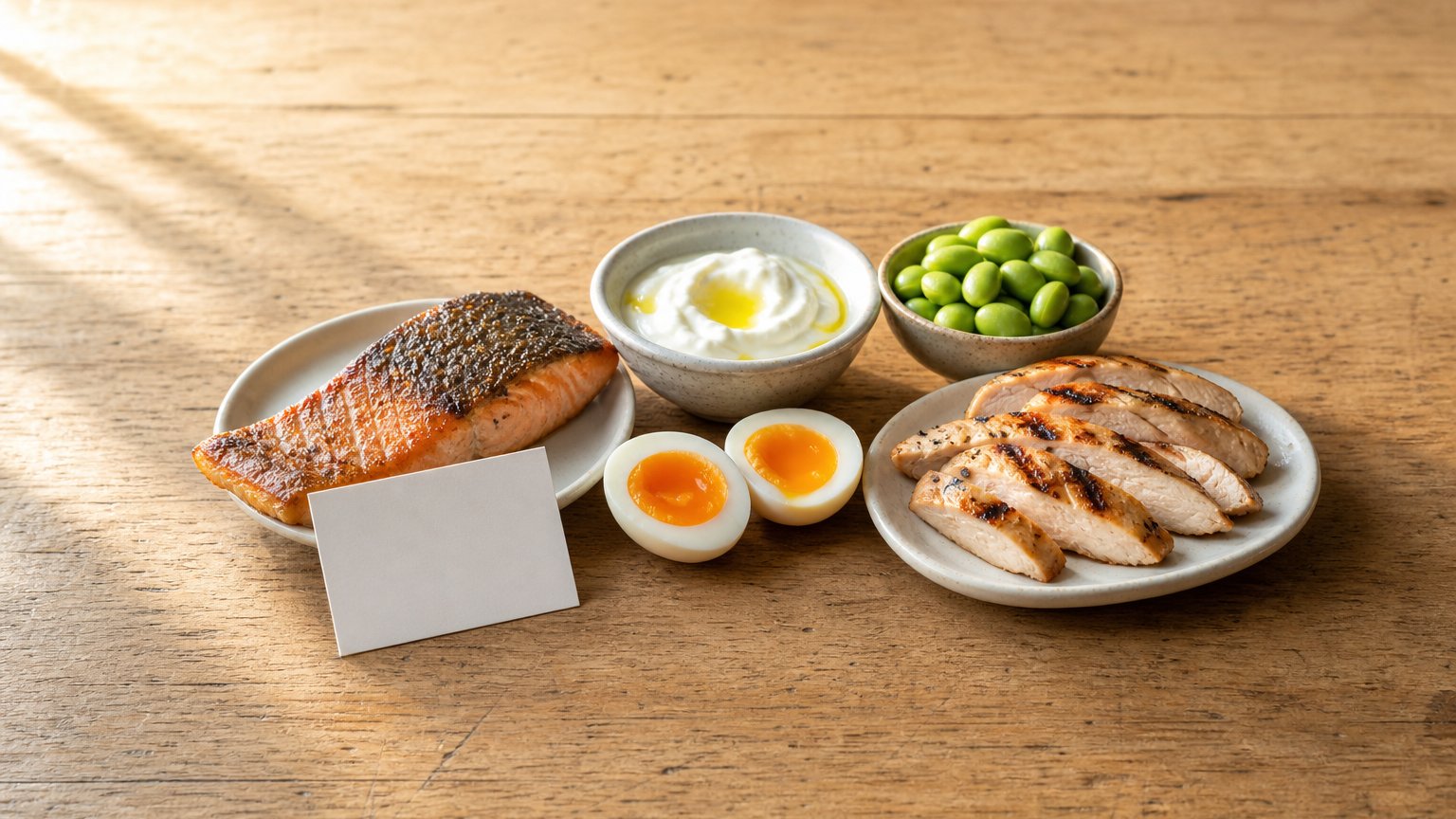
Good protein sources for small-volume eating: Greek yogurt, cottage cheese, eggs, canned fish, edamame, tofu, chicken breast, white fish.
Food safety and allergen notes
Greek yogurt, cottage cheese: contain dairy (milk allergen). Canned tuna and fish: contain fish allergen. Edamame: contains soy allergen. For people with any of these allergies, adjust accordingly.
Raw or undercooked foods carry the usual food-safety risks. If nausea is reducing appetite, lightly cooked, soft, easily digested foods are often better tolerated, but they should still be cooked to safe temperatures.
A note on nausea: GLP-1 medications commonly cause nausea, particularly when starting or increasing the dose. Mild nausea that passes is normal; severe or persistent nausea, vomiting, or inability to keep food and fluids down should be reported to the prescribing team promptly, not managed with dietary adjustments alone.
GLP-1 drugs don't make dietary planning redundant. When total food intake is lower, the quality of what you eat matters more: foods that are high in protein and micronutrients per calorie become more important. A dinner of fish, legumes, and vegetables contributes more toward protein and mineral needs than the same calories from lower-nutrient sources.
Any supplements for identified deficiencies should be discussed with the prescribing team; some (high-dose calcium, iron, B vitamins) have their own interactions.
Anyone taking a GLP-1 medication should have a conversation with their GP or a registered dietitian about dietary strategy, particularly if losing weight rapidly or if nausea is severely limiting food choices.
Building a meal pattern that prioritises protein and nutrient density? Gourmate suggests recipes based on your dietary preferences and goals. Find out how the recipe discovery works.